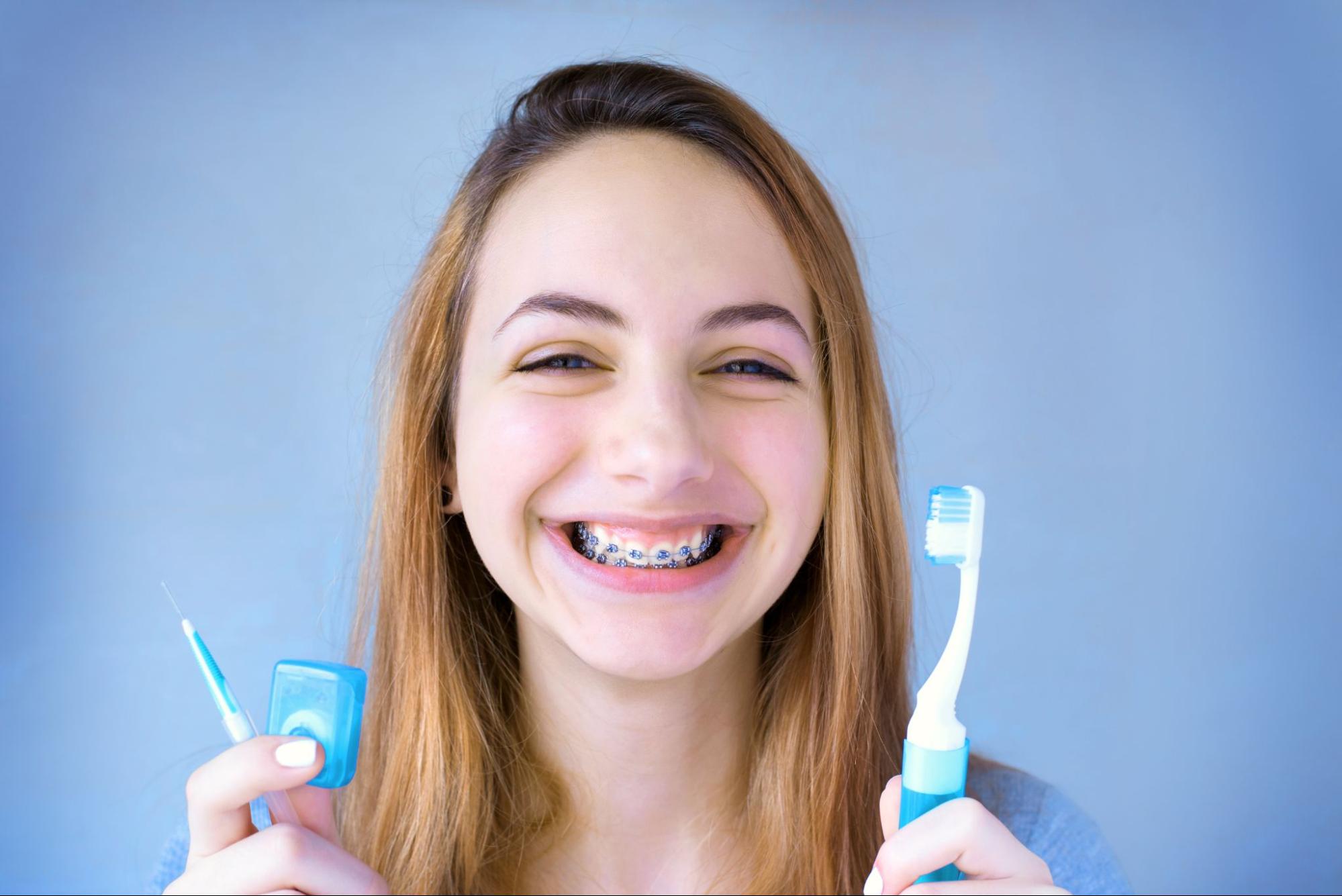
Your braces are off. The first thing most patients do is run their tongue across their teeth, and the first thing they say is that it feels strange. Smooth, slippery and a little unfamiliar. That reaction is completely normal, and so is wondering what you are supposed to do next.
The short answer is that the next few weeks matter more than most people expect. Wear your retainer, get back into a real brushing and flossing routine, see your dentist for a cleaning, and hold off on whitening for a little while. Everything below explains why.
Dr. Kevin Williams has walked thousands of patients through this exact moment, and these are the things he wants you to know before you leave the office.
What Happens the Day Your Braces Come Off
Debonding takes less time than most patients expect, usually somewhere around half an hour to an hour. Dr. Williams gently releases each bracket, removes the wire, and then polishes off the adhesive that held everything in place. There is pressure and some vibration but no drilling into the tooth, and no numbing is needed.
Once the polishing is finished, we take a scan or impression for your retainer the same day. This is not us being efficient for the sake of it. Teeth begin drifting almost immediately after the brackets come off, so the retainer has to be built from how your teeth look right now.
A few things patients notice in the chair that are all normal.
- Teeth feel slick and slightly larger than you remember
- Gums look a little puffy or red around where brackets sat
- Your bite feels unfamiliar for a day or two
- Color may look uneven where the brackets were
Puffy gums settle within a week or so once you can brush and floss properly again. The color question is worth its own section further down.
Your First Week Without Braces
Sensitivity is common and short lived
Some patients finish treatment and feel nothing unusual. Others find that cold drinks suddenly get their attention in a way they did not before. Your enamel has been covered by brackets and adhesive for a year or two and it takes a little time to readjust to normal temperature changes.
If it bothers you, a sensitivity toothpaste used consistently for a couple of weeks usually settles things down. Sensitivity that is getting worse rather than better after two or three weeks is worth a call to us or to your dentist.
Getting used to the retainer
The first few nights feel odd and you may notice extra saliva or a slight lisp. Both fade quickly. The important part is not skipping nights early on, because that is the window when teeth are most likely to shift.
Retainer wear, cleaning and replacement is a bigger topic than we can fit here, so we wrote a full guide on it. Read everything you need to know about retainers for the details on schedules, care and what to do if you lose one.
Rebuild Your Brushing and Flossing Routine
Here is the part that catches people off guard. Brushing with braces is hard, so most patients build careful habits around it. Once the brackets come off, brushing gets easy again and the careful habits quietly disappear. We see patients who kept immaculate hygiene for two years and then let it slide within a few months of finishing.
Twice a day with a fluoride toothpaste, floss once a day, and give the gumline real attention rather than just the flat surfaces. If flossing has never stuck as a habit, a water flosser is a reasonable substitute and a lot of patients find they actually use it.
You spent a long time and a real amount of money on this result. Daily habits are what protect it.
Book a Dental Cleaning Soon
Seeing your general dentist within a few weeks of debonding is one of the most useful things you can do. Brackets and wires create spots that are almost impossible to reach at home, so there is usually some buildup along the gumline and between teeth that has been accumulating the entire time.
A professional cleaning clears all of it out. It also gives your dentist a chance to check for any decay that was hidden under hardware and to look at the overall health of your enamel now that they can actually see it.
Orthodontic visits do not replace regular dental checkups, so if you have been skipping cleanings during treatment, this is the moment to get back on schedule.

What Are Those White Spots on My Teeth?
If you notice chalky white patches outlining where your brackets used to sit, you are looking at decalcification. It happens when plaque sits against enamel long enough to pull minerals out of the surface, and it shows up most often in patients who had a harder time keeping the area around the brackets clean.
This is worth understanding properly, because the instinct is usually to reach for whitening strips and that is the wrong first move. Whitening lightens the healthy enamel around the spot as well, so in the short term the contrast can look more obvious rather than less.
What actually helps is remineralizing the enamel first. That means a fluoride toothpaste used consistently, cutting back on frequent snacking and sugary drinks, and in some cases a prescription strength fluoride or a remineralizing paste your dentist can recommend. Mild spots often fade noticeably over several months once the enamel starts rebuilding.
Spots that do not improve can be treated cosmetically by a dentist, but give the enamel a real chance to recover first. Bring it up with us at your retainer check and we will take a look.
When Can You Whiten After Braces?
Almost everyone asks this, usually before the appointment is over. It is a fair question, and the answer is that whitening works better if you wait.
Give your enamel a few weeks at minimum to rehydrate and settle after the adhesive is removed. Whitening too soon tends to produce uneven results and more sensitivity than you would otherwise get. If you have any white spot lesions, wait longer and address those first for the reasons above.
When you are ready, your options generally break down like this.
- Professional whitening through your dentist. The most predictable results and the best choice if staining is uneven or stubborn.
- Custom take home trays. Slower but gentler, and often easier on sensitive teeth.
- Over the counter strips or kits. Affordable and fine for evenly colored teeth that just need a lift.
- Whitening toothpaste. Modest results, but it maintains brightness well once you have it.
One practical note. If you have a bonded retainer behind your front teeth, or you wear clear retainers, mention that before starting any whitening so your dentist can plan around it.
Eating Normally Again
The popcorn, the caramel, the ice, the whole list you have been avoiding. It is all back on the table, and most patients celebrate accordingly.
Two small cautions. Ease into very hard or chewy foods for the first few days while your teeth settle, since they can feel tender. And if you have a bonded retainer, biting directly into hard items with your front teeth can break the wire loose. Cut apples and similar foods instead of biting straight in.
Common Questions After Braces Come Off
How long until my teeth feel normal?
Most patients stop noticing the difference within a week or two. Any sensitivity usually resolves in that same window.
Do I really have to wear a retainer forever?
Teeth move throughout your life, with or without orthodontic treatment. Wear is typically heaviest in the first several months and then tapers to nights, but some ongoing retainer wear is what keeps the result. Dr. Williams will give you a schedule specific to your case.
Why do my teeth look yellow now?
Often it is simply that you are seeing the full surface of the tooth for the first time in a couple of years. Surface staining from the adhesive polishing also fades. A dental cleaning clears up most of it.
What if my teeth shift anyway?
Call us rather than waiting. Minor movement caught early is usually manageable. Movement left for a year is a bigger conversation.
Can I use my old retainer if it still fits?
If it has been sitting in a drawer, bring it in before wearing it. A retainer that has warped or no longer seats fully can push teeth in directions you do not want.
We Are Here After Treatment, Not Just During It
Finishing treatment is not the end of the relationship. Retainer checks, replacements and questions about how things are holding up are all part of what we do, and we would much rather hear from you early than find out about a problem a year later.
Williams Orthodontics sees patients at our Monroe and El Dorado offices, and we regularly care for families from West Monroe and Ruston as well.
Still considering treatment rather than finishing it? Take a look at our treatment options or get in touch to set up a consultation. We would love to help you get to this stage.