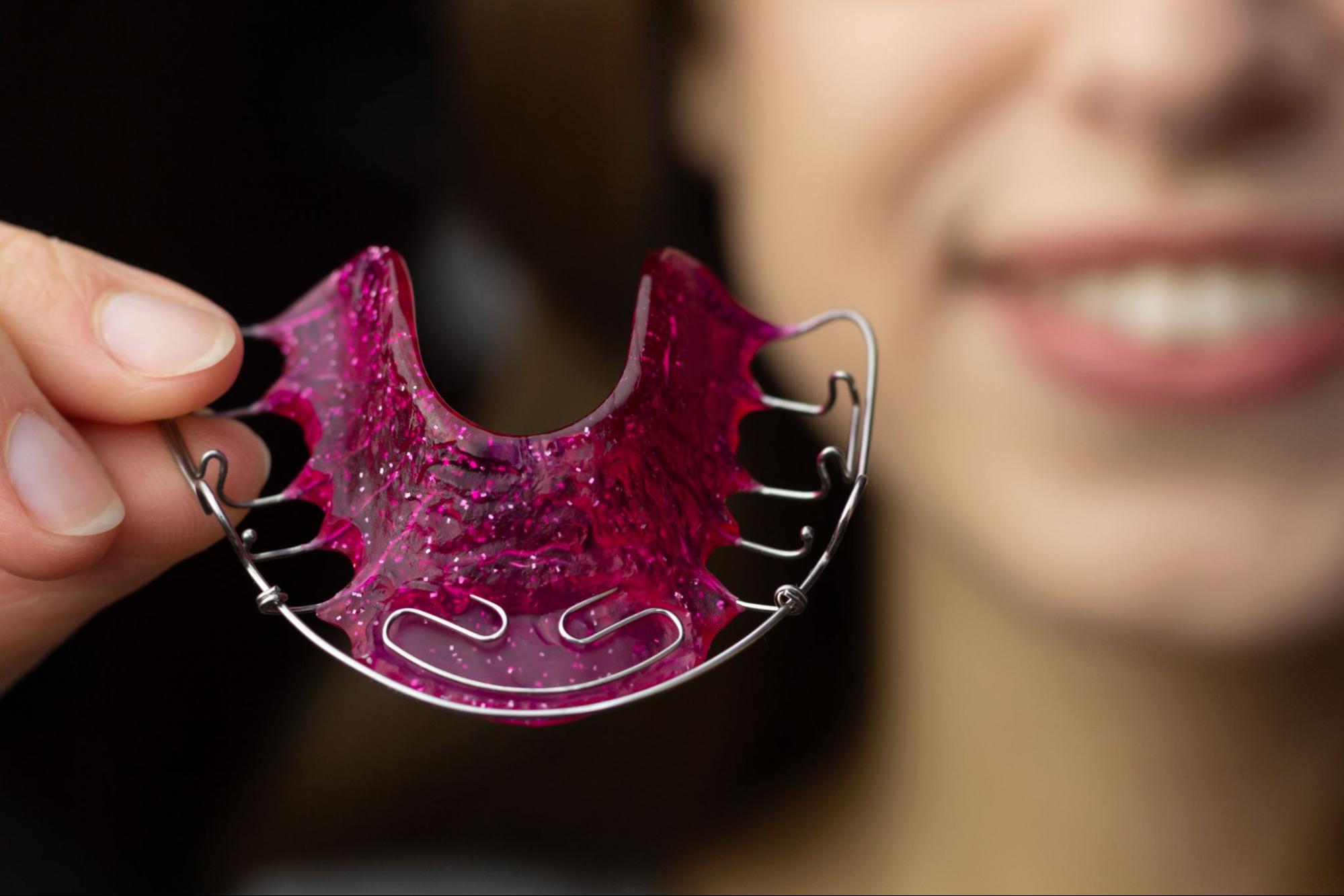
When braces come off, most people think the hard part is done. But ask anyone in Monroe, West Monroe or El Dorado with a confident smile, and they will tell you there is one last step that makes all the difference. The retainer phase. Dr. Williams helps patients at Williams Orthodontics understand how retainers keep smiles steady long after treatment wraps up. Here is a closer look at what retainers actually do and why they matter more than most people realize.
What Retainers Do
Retainers are the behind-the-scenes crew that keep your new smile right where you want it. After braces or aligners come off, your teeth are still settling into place, and the surrounding bone and ligaments need time to adjust. That is where retainers come in. They hold everything steady while your mouth adapts to its new normal. Think of it like giving freshly poured concrete time to set before walking across it.
Dr. Williams helps patients in Monroe and El Dorado understand that this phase is just as important as the treatment that came before it. It is what makes all the hard work stick.
Why Retainers Are Necessary
Patients sometimes assume that once teeth are straight, they simply stay that way. It is a reasonable thing to think, but it is not how teeth work.
Your teeth are not fixed in bone like fence posts in concrete. Each one sits in its own socket, held by a network of fibers called the periodontal ligament. Orthodontic treatment works by applying steady pressure so that bone dissolves on one side of the tooth and rebuilds on the other. That is what allows movement in the first place.
The catch is that the rebuilding takes months to finish. When your braces come off, the teeth are in the right place but the bone around them has not fully hardened, and those ligament fibers still hold a memory of where the teeth used to be. Without something holding the line, they drift back toward the old position. Orthodontists call that relapse, and it is not a sign that treatment failed. It is ordinary biology doing what it does.
There is a second reason that has nothing to do with braces at all. Teeth shift throughout life. Jaws change shape gradually with age, and lower front teeth in particular tend to crowd over the decades whether or not a person ever had orthodontic treatment. A retainer worn a few nights a week keeps that quiet drift from adding up.
How Retainers Are Made & Chosen
No two smiles are exactly alike, so every retainer has to fit just right. Dr. Williams uses digital scans to capture the shape of your teeth and design a retainer that fits comfortably. Each type serves a slightly different purpose, depending on your treatment plan and lifestyle.
The most common options include:
- Clear removable retainers: Transparent trays that slip over your teeth, great for comfort and easy wear. They are nearly invisible, which is why most adults prefer them, though they do wear down faster than the alternatives.
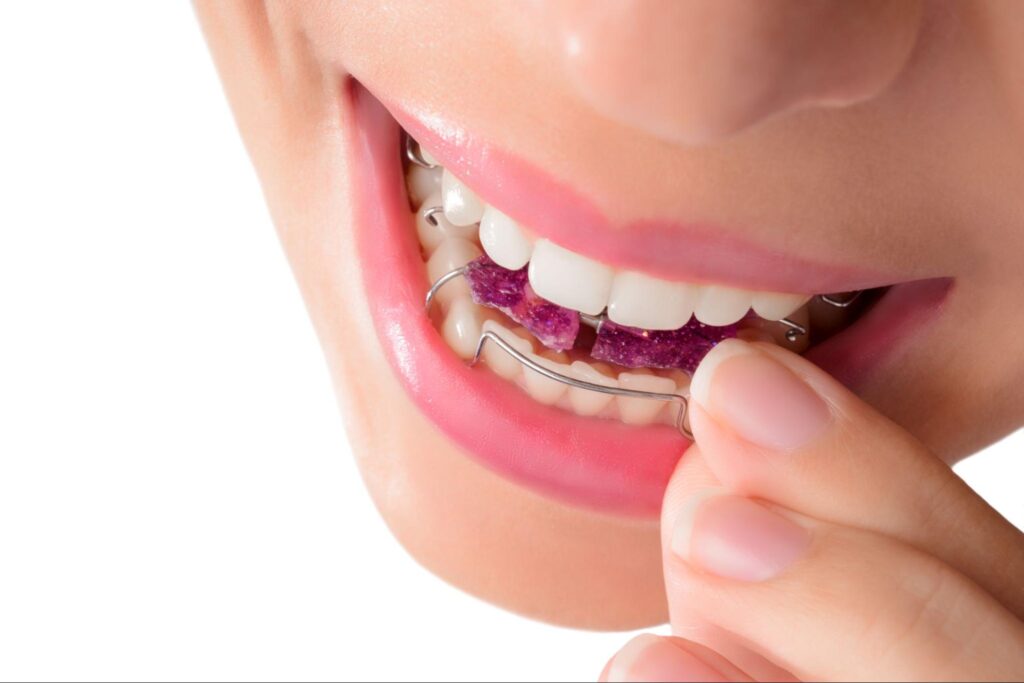
- Hawley retainers: A classic mix of acrylic and wire that is adjustable and durable. The visible wire puts some patients off, but these often outlast every other option and can be tweaked if small adjustments are needed later.
- Fixed retainers: A thin wire bonded behind the teeth for round-the-clock support. Nothing to remember and nothing to lose, which makes them a strong choice for younger patients, though they take a little extra effort at the sink.
Plenty of patients end up with a combination, often a bonded wire on the lower teeth and a removable tray on top. Families around Monroe and El Dorado often find that the right type depends on things like sports schedules, work routines, or simply personal preference. Once your retainer is ready, the next step is learning when and how to wear it.
Wearing Your Retainer
The retainer phase is where your smile truly settles in. Your teeth are still adjusting to their new positions after braces or aligners come off, and this period is what locks in the progress. Dr. Williams reminds patients that consistency is the key to long-term success, so wearing your retainer regularly keeps everything steady and supported.
Early Routine
For the first few months, most patients wear their retainers full-time, removing them only for meals or brushing. This helps the teeth and surrounding tissues adapt to their new positions without movement. This stretch is the one that matters most, since it lines up with the window when bone is still rebuilding.
Nighttime Habit
After that initial phase, the routine shifts to nighttime wear. Think of it as a nightly check-in for your smile. Most patients find that keeping the case on the nightstand is enough to make it automatic within a couple of weeks.
Long-Term Maintenance
Even after the first year, retainers still have an important job. Dr. Williams generally recommends wearing them every night indefinitely to keep teeth stable and prevent unwanted shifting. Some patients eventually taper to a few nights a week, but that is a decision to make together at a checkup rather than on your own.
Once retainer wear becomes part of your daily rhythm, it feels like second nature.
What Happens If You Stop Wearing It
This is the question patients ask quietly, usually after they have already skipped a stretch of nights. The honest answer is that it depends on how long, and on how recently you finished treatment.
In the first year, teeth can begin drifting within days. Miss a week and the retainer often feels tight when you put it back in. That tightness is not the retainer shrinking. It is your teeth telling you they moved. Wear it consistently for a few nights and it usually settles back down.
Go longer and the picture changes. After several months without wear, a retainer may no longer seat properly at all. Forcing an ill-fitting retainer is a bad idea, since it can push teeth in directions nobody planned for and cause soreness along the way.
The practical takeaway is simple. If your retainer feels tight, that is a signal to wear it more, not less. If it will not go in, stop and call us. Minor relapse caught early is usually a small conversation. The same movement left alone for a year or two can mean starting over with a new treatment plan, which is a far bigger ask than a few nights of consistency.
Looking After Your Retainer
A retainer only works if it is cared for properly, and a little attention goes a long way. Keeping it clean and stored safely helps it last longer and keeps your mouth healthy. Dr. Williams and the team at Williams Orthodontics give every patient simple steps that make maintenance easy.
To keep your retainer in great shape:
- Rinse it with cool water after each use to remove debris.
- Use a gentle soap or special cleaning solution instead of toothpaste, which can scratch the surface.
- Keep it in its case whenever it is not in your mouth. Pets and washing machines are notorious for damaging retainers, and so are paper napkins at restaurants.
- Avoid leaving it in hot places like a parked car, which can warp the plastic. Hot water and dishwashers do the same thing.
- Bring it to each appointment so Dr. Williams can check its fit and condition.
If your retainer looks cloudy or starts to smell
Both are signs that film has built up on the surface, usually from rinsing rather than actually cleaning it. A soak in a denture cleaning tablet or a retainer specific solution will lift most of it. Skip the boiling water and the alcohol based mouthwash, since one warps the plastic and the other can cloud it permanently.
Caring for a bonded retainer
Fixed retainers never come out, which means plaque can collect along the wire if you are not deliberate about it. A floss threader or a water flosser makes the job manageable, and it only takes an extra moment once you have the hang of it. Let us know right away if you feel the wire come loose, even if nothing hurts. A detached wire can allow movement without any obvious warning.
Lost or Broken Retainers
It happens to almost everyone eventually. Retainers get wrapped in napkins, chewed by dogs, cracked in a bag or simply left behind at a hotel. The important part is what you do next.
Call us as soon as you notice. If you have an older retainer that still seats reasonably well, wear that in the meantime rather than nothing at all. Do not attempt to repair a cracked retainer with glue, because most adhesives are not safe in the mouth and a patched retainer rarely fits the way it needs to.
Replacement usually means a quick scan and a new retainer within a short turnaround. Cost depends on the type and whether we still have a recent scan on file, so give the office a call and we can tell you exactly where you stand. What we would rather avoid is the patient who waits six months hoping it will be fine, because by then the replacement is a bigger project than it needed to be.
Frequently Asked Questions
Can my retainer fix teeth that have shifted?
Minor movement might be corrected if you still have your retainer, but noticeable changes usually need a new treatment plan. Dr. Williams can assess what is best during a quick visit.
What if my retainer does not fit anymore?
Do not try to force it. Schedule an appointment in Monroe or El Dorado so the team can check for any shifting and decide if a replacement is needed.
What should I do if I lose my retainer?
Replace it as soon as possible. The longer you go without it, the more likely your teeth will start to move.
Can I eat or chew gum while wearing it?
Removable retainers should always come out for meals or snacks. Give them a quick rinse before putting them back in.
How long do retainers last?
With proper care they can last several years, but accidents and normal wear happen. Bring your retainer to regular checkups so it can be evaluated and adjusted as needed.
Why does my retainer make me talk differently?
A slight lisp and extra saliva are common in the first few days while your tongue adjusts to the new surface. Reading out loud for a few minutes each evening speeds it along. Most patients stop noticing within a week.
Can I whiten my teeth while wearing a retainer?
Talk to us or your dentist first, especially if you have a bonded wire. There is also a good case for waiting a little while after treatment ends, which we cover in our guide to caring for your teeth after braces.
Do adults need retainers as long as teens do?
Yes, and in some cases longer. Adult bone remodels more slowly than a teenager’s, so the settling period after treatment can take more time.

The Final Step That Sticks
Dr. Williams and the team at Williams Orthodontics do not stop supporting patients once treatment ends. Each retainer check, adjustment and routine visit is part of keeping your smile steady for the long run, and our offices make follow-up care easy to fit into everyday life.
Retainers may be small, but they do big work behind the scenes. Families in Monroe, West Monroe, Ruston and El Dorado get support that makes maintenance simple and effective. A few minutes of nightly wear can lock in results that last a lifetime.
Due for a retainer check, or wondering whether yours still fits the way it should? Book your appointment and we will take a look.