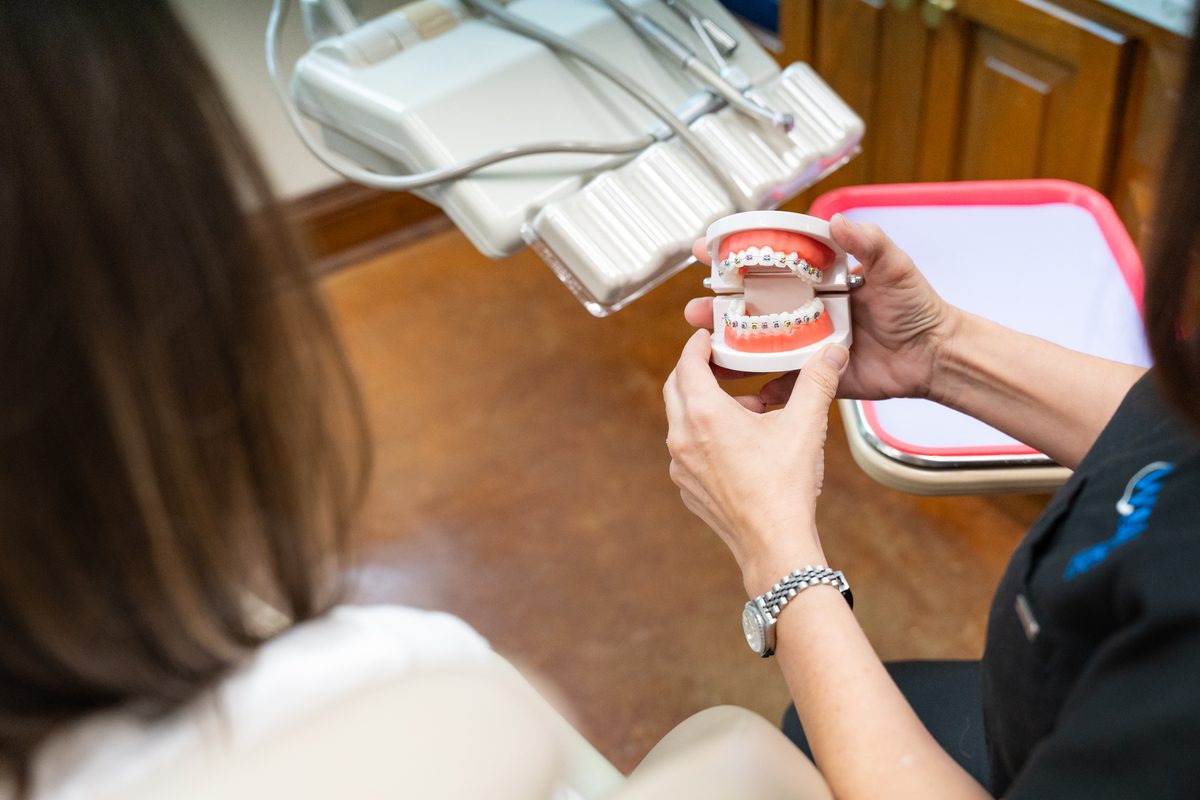
Not every smile lines up perfectly, and that’s okay. When your top and bottom teeth don’t meet the way they should, it can change how you chew, speak and feel about your smile. If you’ve been wondering whether you have an overbite, underbite or crossbite and how each one is treated, this guide walks you through it. At Williams Orthodontics, Dr. Kevin Williams and our team help children, teens, adults and everyone in-between find the right fix for their bite.
What Are Overbites, Underbites and Crossbites?
A bite problem, known clinically as malocclusion, happens when the upper and lower teeth or jaws don’t line up correctly. A little overlap between the top and bottom front teeth is normal and healthy. Treatment usually comes into the picture when that overlap is too deep, reversed or shifted to one side.
- Overbite. The upper front teeth cover too much of the lower front teeth.
- Underbite. The lower teeth sit in front of the upper teeth when the mouth is closed.
- Crossbite. One or more upper teeth sit inside the lower teeth, either in the front or along the sides.
Severity drives the treatment plan. A mild overbite may only need minor correction, while a skeletal underbite, where the jaw itself is out of position, can call for a longer and more involved approach.
How Each Bite Problem Is Diagnosed
Treating a bite problem starts with a careful look at what’s really going on. At your first orthodontic consultation, Dr. Williams examines how your teeth meet, and our team takes digital scans and X-rays to see the teeth, roots and jaws. From there he can tell whether the problem is dental (just the teeth), skeletal (the jaw itself) or a mix of both, then build a plan around your smile goals.
How Each Bite Problem Gets Treated
Overbite
Most overbites respond well to modern metal braces or Invisalign clear aligners paired with elastics. The elastics help guide the upper and lower teeth into a bite that meets correctly.
Underbite
Mild underbites often respond to braces or Invisalign. For growing kids, appliances that guide jaw growth can make a big difference while the jaw is still developing. A severe skeletal underbite in an adult sometimes needs jaw surgery paired with orthodontic treatment.
Crossbite
Children often do well with a palatal expander, which widens the upper jaw while it’s still growing. Teens and adults can usually correct a crossbite with braces or Invisalign, sometimes combined with other appliances.
Whatever the bite problem, the goal is a healthy, balanced bite and a smile you’ll want to show off.
How Overbites, Underbites and Crossbites Compare
Overbite
- Common causes include genetics, a smaller lower jaw, thumb-sucking and long-term pacifier use.
- Left untreated, it can lead to tooth wear, jaw discomfort and gum irritation.
- Most cases are mild to moderate.
Underbite
- It usually comes from a lower jaw that grows too far forward or an upper jaw that doesn’t develop fully.
- It can make chewing and some sounds harder and can change the look of the profile.
- Cases range from moderate to complex, especially in adults.
Crossbite
- Common causes include a narrow upper jaw, shifted teeth and baby teeth that fall out late.
- It can cause uneven wear, jaw shifting and an uneven look to the face.
- Most cases are mild to moderate, though skeletal crossbites are more involved.
Many patients have more than one of these. An overbite paired with a crossbite isn’t unusual, which is why a personal exam matters so much. A one-size-fits-all approach rarely works for bite correction.
Benefits of Correcting Your Bite
Fixing a bite problem isn’t only about looks, though a straighter smile is a nice bonus. Here’s what patients often notice:
- Easier chewing. When your teeth meet properly, biting into food feels natural.
- Less jaw strain. A balanced bite takes pressure off the jaw joints, which can ease jaw tension.
- More even tooth wear. A misaligned bite can wear teeth down unevenly and raise the risk of chips.
- Clearer speech. Some bite problems make certain sounds harder to say.
- Easier cleaning. Straight, properly spaced teeth are easier to brush and floss, which helps lower the risk of cavities and gum problems.
- Smile confidence. When your smile feels right, you’re more likely to share it.
What Affects the Cost of Bite Correction
No two treatment plans are exactly alike, and neither is the cost. These are the main factors:
- Severity. Mild cases are usually quicker. Moderate or severe bite problems take more time and more visits.
- Treatment type. Modern metal braces, modern clear braces and Invisalign are each priced differently.
- Treatment length. Shorter plans typically cost less than longer ones.
- Appliances or surgery. A palatal expander, other appliances or jaw surgery for severe cases add to the overall investment.
- Insurance coverage. Many plans include orthodontic benefits, though limits and age rules vary.
We accept most major insurance plans and offer flexible payment plans to fit your family’s budget. We’ll go over every option with you before treatment starts, so there are no surprises.
Who Is a Good Candidate for Bite Correction?
Almost anyone with a bite problem can benefit from treatment. Here’s who should consider an evaluation:
- Children around age 7. The American Association of Orthodontists recommends a first orthodontic check-up by age 7, while the jaw is still developing.
- Teens. While there’s still growth to work with, the teen years are a great time to set up a healthy bite for life.
- Adults. It’s never too late. Many adult patients choose modern clear braces or Invisalign for a more discreet look.
- Anyone with jaw discomfort or uneven wear. If you notice jaw tension or teeth wearing down unevenly, a bite evaluation is a smart next step.
- Severe skeletal cases. Some adult underbites need jaw surgery along with orthodontic treatment. Dr. Williams will let you know if that’s part of your plan.
Frequently Asked Questions About Bite Correction
How do overbites and underbites happen?
Most bite problems come down to genetics and how the jaws grow. If a parent has an underbite or overbite, their kids are more likely to have one too. Childhood habits like thumb-sucking, long-term pacifier use or tongue thrusting can also shift developing teeth over time.
What is the fastest way to fix an overbite?
For most patients, braces with elastics or Invisalign with attachments are the most predictable ways to fix an overbite. How long it takes depends on how severe it is, and Dr. Williams will give you a realistic timeline at your consultation.
Will insurance cover treatment for a crossbite?
It depends on your plan. Many dental plans include orthodontic benefits, and our team will check with your insurance company to see what yours covers.
Can you have an overbite and a crossbite at the same time?
Yes, and it’s common. Many patients have an overbite paired with a crossbite or a crossbite along with crowding. Both can usually be treated at the same time with one coordinated plan.
How long does bite correction take?
Most cases take between 12 and 24 months, depending on severity, age and the type of treatment. Mild cases may finish sooner, while complex skeletal problems can take longer.
Do adults need surgery to fix a bite?
Only in severe skeletal cases. Most adult bite problems can be corrected with braces or Invisalign alone. Surgery is usually reserved for major jaw differences, like a very pronounced underbite, where the jawbone itself needs to be repositioned.
Ready to find out which option is right for you or your child? Dr. Williams and our team would love to meet you. Schedule your first appointment at our Monroe office at 2001 Forsythe Ave. (318-600-3040) or our El Dorado office at 408 W. Oak St. (870-639-1737).